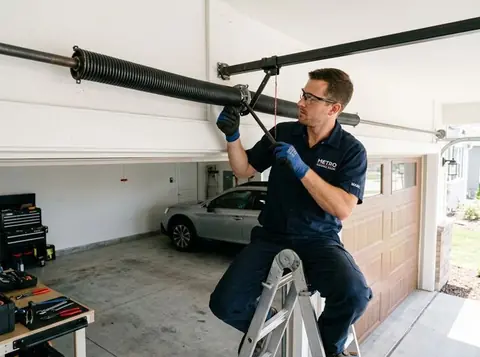
Garage door spring replacement
A heavy door, a loud snap or a visible gap in the spring? Learn what to check from a safe distance and when to call a technician.
View Details →SERVICE GUIDES
Start with the symptom. These guides help you describe the problem and understand what a service visit may involve. Garage door repair services: spring replacement, emergency repair, opener repair and installation.
A heavy door, a loud snap or a visible gap in the spring? Learn what to check from a safe distance and when to call a technician.
View Details →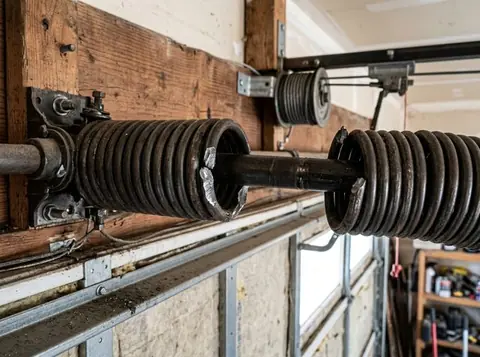
How to recognize a broken garage door spring, what not to touch, and how to prepare for a repair call.
View Details →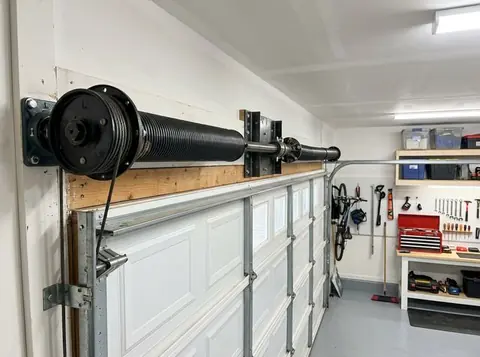
A plain-language guide to torsion springs, safe replacement, balancing and questions to ask before service.
View Details →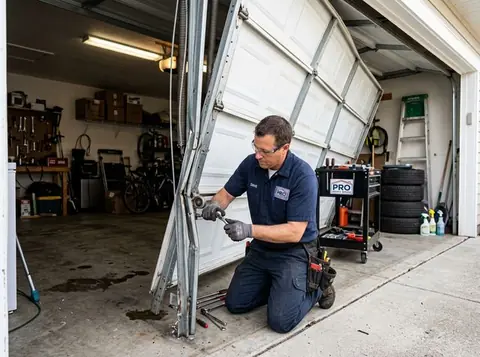
What to do when a garage door is stuck open, off track or unsafe, and how to describe the problem before calling.
View Details →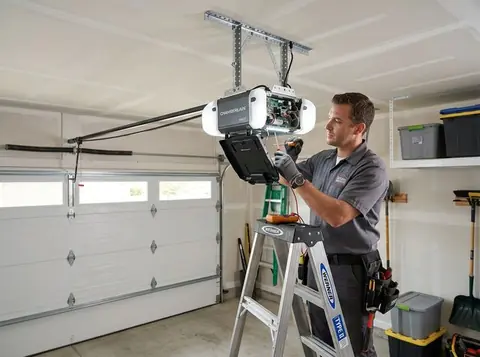
Quick checks for remotes, sensors and power before arranging garage door opener service.
View Details →
Plan a garage door replacement with clear questions about size, insulation, hardware and the scope of installation.
View Details →Service availability and coverage depend on the provider and location. Confirm both before scheduling work.
FAQ
The most common issues reported by American homeowners are broken torsion or extension springs, garage door openers that fail to respond, doors that reverse before closing, cables that snap or go slack, doors that have come off their tracks, and panels damaged by vehicle impact. Springs account for the majority of service calls.
Look for a company that provides a written itemised quote before work begins, clearly states which parts and labour are included, confirms service in your specific zip code, and offers a warranty on both parts and workmanship. Reviews on Google and the Better Business Bureau (BBB) can also help you compare local providers.
A torsion spring mounts horizontally above the door on a metal shaft and twists to store energy as the door closes. Extension springs run along the upper horizontal tracks on each side of the door and stretch and contract as the door moves. Most modern doors use torsion springs; both types require professional replacement because of the tension they store.
Spring replacement pricing depends on whether your door uses torsion or extension springs, the wire gauge and cycle rating, and whether single or dual springs are replaced. A local technician inspects the door weight and track alignment on-site to give you an accurate, upfront quote before beginning work.
Repair usually makes sense when damage is limited to one or two components such as a spring, cable, opener, or a panel or two. Replacement is worth considering when the door has widespread panel damage or rust, repeated repairs are becoming more expensive than the door's value, or you want better insulation, security, or curb appeal.
Garage door spring replacement is not a safe DIY project for most homeowners. The springs are under extreme tension, and improper handling can cause severe injury or death. Winding a torsion spring without the correct winding bars and training is especially dangerous. A professional technician has the right tools, measurements, and experience to do the job safely.
Standard homeowners insurance policies typically cover garage door damage caused by a covered peril such as a vehicle collision, storm, vandalism, or fire. Damage from normal wear and tear such as a broken spring is generally not covered. Check your policy's dwelling and detached structures coverage and your deductible before filing a claim.
A technician should measure the door's height, width, and weight, as well as the existing spring's wire diameter, inside diameter, and length, to determine the correct replacement. Matching the spring precisely ensures the door balances correctly and the opener is not overloaded. Ordering by appearance alone is not reliable and can result in an unsafe repair.
LiftMaster, Chamberlain, Genie, and Craftsman are among the most widely used garage door opener brands in the United States. LiftMaster (and its retail counterpart, Chamberlain) holds a large share of the market and is commonly sold through professional installers and retailers like Home Depot and Lowe's.